Tufnell Park removals for Tufnell Park Road and Fortess Road
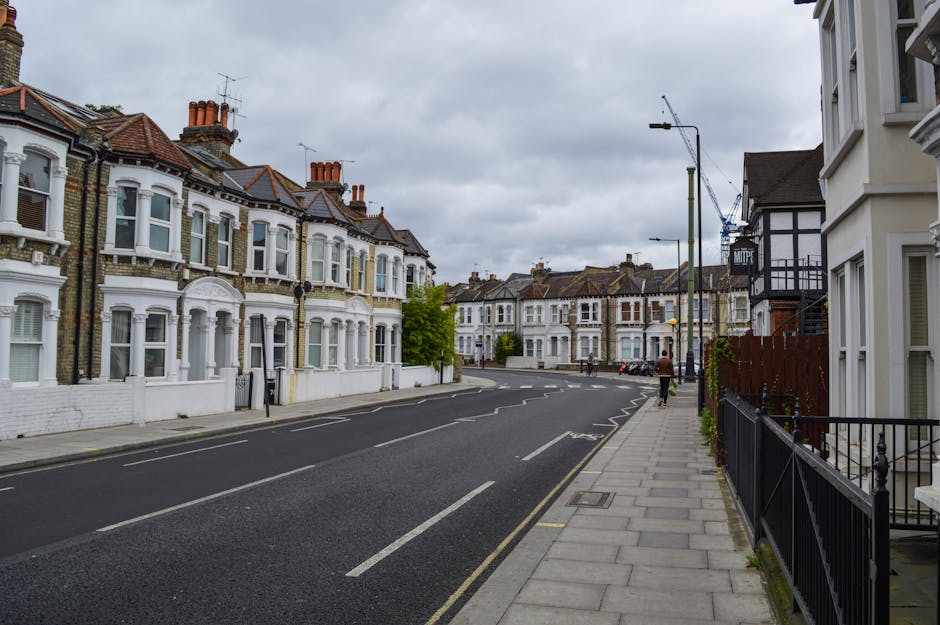
If you are planning Tufnell Park removals for Tufnell Park Road and Fortess Road, you are probably dealing with more than a simple van booking. Narrow pavements, permit-sensitive parking, stair-heavy buildings, awkward corners, and the usual London time pressure can all turn a move into a bit of a puzzle. The good news? With the right approach, it becomes much more manageable.
This guide walks you through how a local removals service should handle the area, what to watch out for, how to choose the right support, and where services like home moves, flat removals, and man and van options fit into the picture. Whether you are moving a small flat, a family home, or a few bulky pieces, the aim is the same: a calm move, fewer surprises, and no last-minute scramble with boxes at the kerbside.
Let's be honest, moving day is rarely glamorous. But with the right plan, it does not have to feel chaotic either.
Why Tufnell Park removals for Tufnell Park Road and Fortess Road Matters
Tufnell Park is one of those London neighbourhoods where the details matter. Roads can be busy, parking can be tight, and access can vary hugely from one property to the next. Tufnell Park Road and Fortess Road, in particular, tend to reward careful planning because the difference between a smooth move and a frustrating one is often just a few metres of access or a few minutes of timing.
Why does that matter so much? Because removals are not only about lifting boxes. They are about sequence, access, protection, and timing. A good team will think ahead about how to load safely, where to park, whether a larger vehicle is sensible, and how to move items without damaging walls, bannisters, floors, or the furniture itself. Sounds obvious, but in real life it is where many moves go sideways.
For flats and terraced properties around these streets, staircase width, front door clearance, and the distance from the vehicle to the property can all change the job significantly. A sofa that looks easy enough in the lounge can feel very different when you try to angle it around a narrow landing. That is why experienced local operators often recommend services like house removals or house removalists where the whole process is managed rather than improvised on the day.
Expert summary: In this part of London, good removals work is mostly about preparation. The better the access plan, the faster and safer the move usually feels. Not magic. Just sensible logistics done properly.
There is also a trust element. When you invite a removals team into your home, you want to know they will handle your belongings carefully and respect the building as well as the street outside it. That matters just as much for a single-item move as it does for a full household relocation.
How Tufnell Park removals for Tufnell Park Road and Fortess Road Works
A well-run local removal normally follows a fairly straightforward pattern, but the quality is in the details. First comes the initial enquiry and assessment. You explain what needs moving, where from, where to, and whether there are any access issues. Then the move is sized up properly. A one-bedroom flat with light furniture is very different from a family house with storage, bikes, a piano, and a garage full of unknown things you forgot existed.
For many customers, the process starts with a quote request through pricing and quotes. That is usually the sensible place to begin because a quote should reflect the actual job, not just a rough guess based on postcode and optimism. If you need to compare options, a local removal companies page can help you think through the type of support you need, whether that is a full team or a lighter-touch vehicle and driver arrangement.
On moving day, the team will typically arrive with the right vehicle, protective materials, and a plan for loading. Larger homes may suit a moving truck or removal truck hire, while smaller or quicker jobs may be better matched to a removal van or a man with van style arrangement. There is no universal winner. It depends on volume, access, and how much help you need with lifting.
In practice, the move often flows like this:
- Assessment of items, access, and timing.
- Selection of vehicle and crew size.
- Packing and labelling.
- Protection of key items and building surfaces.
- Loading in a logical order.
- Transport and unloading at the destination.
- Optional unpacking, storage, or furniture repositioning.
If you are still packing when the crew arrives, do not panic. It happens. A decent team can often adjust, especially if you have already discussed the likely shape of the job. That said, the more ready you are, the smoother it feels. There is no prize for living inside a cardboard mountain until 20 minutes before departure.
Key Benefits and Practical Advantages
The main benefit of hiring local help for this part of Tufnell Park is simple: less stress. But there are several more practical advantages too.
- Better access planning: local movers are more likely to understand the parking realities, loading challenges, and time pressure on these streets.
- Reduced damage risk: experienced crews know how to protect door frames, floors, and furniture corners.
- More efficient loading: the right packing order can save time and reduce the chance of items shifting in transit.
- Flexible service levels: you can choose full-service support or a lighter option such as man and van depending on the job.
- Helpful add-ons: if you need it, you can combine moving with packing and boxes or packing and unpacking services.
Another advantage that people sometimes overlook is emotional. A move can feel oddly personal. You are not just shifting objects; you are shifting routines, memories, and the mental shape of your home. A steady removals plan can take the edge off that pressure. Truth be told, that is worth a lot.
If you are moving out of a flat with a tight staircase, the benefits become even clearer. The right team can avoid repeated trips, protect shared hallways, and keep neighbours happier too. Nobody enjoys hearing three wardrobes thudding past the front door at 8:10 in the morning.
Who This Is For and When It Makes Sense
This kind of removals support makes sense for a wide range of people. You might be a tenant moving between flats, a homeowner relocating within North London, a student heading closer to campus, or someone who only needs a few items moved safely. Different needs, same basic goal: a reliable, well-timed move.
It is especially useful if:
- you live on Tufnell Park Road or Fortess Road and know parking is not exactly generous;
- you are moving from a first-floor or upper-floor flat;
- you own bulky furniture, fragile pieces, or awkward items like mirrors and lamps;
- you need a same-day turnaround because timings have changed;
- you want help with loading, driving, or both;
- you are managing a business move and want minimal downtime.
Students often need something lighter and quicker, which is where student removals can be a very sensible fit. On the other hand, if you are relocating an office, the priorities shift. You will want a service like office removals or office relocation services so computers, files, and furniture are handled in a structured way.
One small but useful rule of thumb: if the move feels like it needs a second pair of hands, a bigger vehicle, or a clearer sequence than you can comfortably manage yourself, it probably does. No drama there. Just reality.
Step-by-Step Guidance
Here is a practical way to approach a move on these roads without making it more complicated than it needs to be.
1. Start with a realistic inventory
List the major items first: beds, sofas, tables, wardrobes, appliances, boxes, and anything fragile or unusually heavy. Include awkward pieces. People always remember the piano at the last minute, or the exercise bike that has somehow become part of the family.
2. Check access properly
Look at stair width, lift availability, hallway space, and the distance from the property to the nearest sensible loading point. If there are parking restrictions or you expect a long carry, mention that upfront. It changes the job.
3. Choose the right level of service
For a smaller move, a man with a van can be a practical option. For larger homes, a full removals service may be better. If you need moving support plus safe handling of a treasured instrument, look at piano removals rather than asking a standard crew to guess their way through it.
4. Pack in layers, not chaos
Box by room where possible. Keep heavier items low and lighter items on top. Mark fragile boxes clearly, but not so dramatically that every box becomes "FRAGILE" and nobody knows which one really matters. A small amount of discipline here saves a lot of grief later.
5. Protect the first and last points of contact
The biggest damage risk often happens at door frames, stair corners, and when items are being loaded or unloaded. Furniture blankets, wrapping, and careful handling are not fancy extras; they are basic good practice.
6. Confirm timings and route expectations
On busy London roads, time matters. A move at 7:30am can feel very different from one at 3:00pm. If the team has to coordinate a short wait, a call, or a loading arrangement, be clear about it before the day starts.
7. Think about what happens after delivery
Where will boxes go? Which room needs the bed first? Do you need short-term holding space? If so, storage can be the missing piece that stops the new place from filling with random boxes you keep stepping over for two weeks.
Expert Tips for Better Results
After enough moves, a few patterns become obvious.
First, label by destination room and priority. Not just "kitchen" or "bedroom", but "kitchen - open first" or "bedroom - bedding". That tiny extra layer saves time when everyone is tired and slightly hungry. Which, to be fair, is pretty much every moving day ever.
Second, keep one survival bag with you. Put in keys, charger, tea bags, toilet roll, medication, basic tools, a snack, and the important paperwork. You really do not want to be searching for a phone charger under a pile of towels.
Third, separate the hard cases early. Mirrors, glass shelving, TVs, musical instruments, and antique furniture deserve a clearer plan. If something feels awkward to move, it probably is. That is not being dramatic; that is just experience talking.
Fourth, ask about insurance and safety practice. Reputable movers should be able to explain how they approach protection, lifting, and transport. You can review the broader approach through insurance and safety and health and safety policy pages.
Fifth, keep an eye on the weather. A drizzly London morning changes everything slightly. Wet boxes, slippery steps, and damp hallways are not the end of the world, but they are a reason to pack smarter and move carefully.
One last thing: if you feel overwhelmed, scale the job to fit the day instead of pretending the day will magically scale to fit the job. That rarely ends well.
Common Mistakes to Avoid
Most moving mistakes are not dramatic. They are small, annoying, and completely avoidable.
- Underestimating volume: people almost always have more stuff than they think.
- Ignoring access issues: a great quote can become less useful if nobody checked the stairs or parking.
- Poor box labelling: if every box looks identical, unpacking becomes a guessing game.
- Leaving packing too late: last-minute packing is how cables, chargers, and small kitchen items disappear into the void.
- Choosing a vehicle that is too small: a second trip can cost more time than it saves money.
- Forgetting about building rules: some properties require advance notice for lift use, loading access, or move-in windows.
Another common one: not checking what kind of help you actually need. Sometimes people book a van when what they really need is loading support, or they book a full crew when a lighter move would have been more efficient. The right service depends on the reality of the move, not the hope of it.
If you are disposing of bulky items rather than moving them, it may be more appropriate to arrange furniture removals or furniture pick up depending on what needs collecting. That small distinction can save time and confusion.
Tools, Resources and Recommendations
You do not need a shed full of specialist kit to move well, but a few simple tools make life much easier.
- strong tape and decent marker pens
- sturdy boxes in mixed sizes
- bubble wrap or paper for fragile items
- furniture blankets and stretch wrap
- basic tools for dismantling beds and shelving
- gloves with grip for handling heavier boxes
- door and floor protection where needed
For larger or more complex jobs, it can help to combine packing support with vehicle hire. For example, a removal van may be enough for a compact flat move, while a more substantial job may need a removal truck hire arrangement. You can also look at removal services if you want the moving support to be bundled more neatly.
If security and payment handling matter to you, it is sensible to read the site's payment and security information before booking. And if you care about how waste and unwanted items are handled, the recycling and sustainability page is a useful place to understand the company's approach.
Law, Compliance, Standards, or Best Practice
Removals may not feel like a heavily regulated industry from the customer side, but good operators still need to follow basic UK expectations around safety, insurance, and fair trading. At a minimum, you should expect clear terms, transparent pricing, careful handling, and a sensible approach to risk.
Best practice usually includes:
- clear explanations of what is included and what is not;
- careful loading practices to reduce injury and damage;
- appropriate vehicle use for the size of the move;
- respect for property, neighbours, and shared access areas;
- transparent handling of complaints and service issues;
- reasonable privacy and payment security processes.
If you are comparing providers, look for a company that is open about its terms and conditions and has a clear complaints procedure. That is not just paperwork. It tells you how the business thinks when something does not go perfectly, and let's face it, sometimes something always needs a little adjustment.
For general trust signals, it is also reassuring when a company is clear about its background through an about us page and offers accessible information for a broader range of users. The more open the business is, the easier it is to make a confident choice.
Options, Methods, or Comparison Table
Choosing the right moving method depends on how much you are moving, how quickly you need it done, and how much help you want on the day. Here is a simple comparison.
| Option | Best for | Strengths | Things to watch |
|---|---|---|---|
| Man and van | Small flats, a few items, quick local jobs | Flexible, often efficient for compact moves | May be less suitable for large households or heavy furniture |
| Removal van | Moderate moves with a manageable amount of furniture | Good balance of space and agility | Capacity still needs checking carefully |
| Removal truck | Full-house relocations or heavier loads | More space, fewer trips, better for volume | Parking and access become more important |
| Full removals service | Busy families, fragile items, complicated moves | More support, less stress, easier coordination | Usually costs more than a basic vehicle-only booking |
| Storage plus removals | Staged moves, renovations, timing gaps | Useful if the new place is not ready yet | Requires extra planning around access and timing |
In real life, the best option is often a blend. A smaller local move may start as a man-and-van job and end up needing packing help or a storage stop. That is normal. Moving rarely fits neatly into a box, ironically enough.
Case Study or Real-World Example
Imagine a couple moving from a third-floor flat near Fortess Road into a house a short distance away in Tufnell Park. They have a bed frame, a sofa, two bookcases, a dining table, and about twenty boxes. No lift. One awkward corner. Two small mirrors they are a bit nervous about. Very typical, really.
They start by asking for a quote and explaining the access issues clearly. Because the move is local and the inventory is moderate, a removal van with loading support makes sense. They also arrange packing help for fragile items and decide to keep the first-night essentials in a separate bag. Good call.
On the day, the crew protects the floors, moves the biggest items first, and loads in a sequence that keeps fragile boxes safe. The couple had underestimated how long the stairs would take, but because the access details were shared early, the schedule already allowed for it. No panic. No improvisation. Just a steady move, and the new place started feeling like home by the evening.
That is the difference good planning makes. Nothing flashy. Just fewer delays, less strain, and fewer "where on earth did we put the kettle?" moments.
Practical Checklist
Use this before moving day. It keeps things annoyingly simple, which is exactly what you want.
- Confirm the moving date and access time.
- Measure large furniture and awkward items.
- Check parking and loading arrangements.
- Book the right vehicle size.
- Decide whether you need packing help.
- Label boxes by room and priority.
- Prepare a survival bag with essentials.
- Protect fragile items and dismantle furniture if needed.
- Keep keys, documents, and valuables with you.
- Review the booking details, including terms and security information.
- Plan any storage or furniture disposal needs in advance.
If you are still deciding between move types, compare the practical options carefully and do not be afraid to ask questions. A good moving plan is built on clarity, not guesswork.
Get a free quote today and see how much you can save.
Conclusion
Tufnell Park removals for Tufnell Park Road and Fortess Road work best when they are treated like a local logistics job, not just a lift-and-load exercise. The street layout, property types, and access quirks all reward experience, preparation, and sensible service matching. Whether you need a simple van move, a more complete removals service, or support with packing and storage, the right approach makes the whole day feel lighter.
If you take one thing from this guide, let it be this: plan the access, size the vehicle properly, and pack with intention. Do that, and the move becomes much less stressful. Maybe even manageable in a good mood. Stranger things have happened.
When the last box is in place and the kettle is on, you will be glad you handled it properly.
Frequently Asked Questions
What makes Tufnell Park removals on Tufnell Park Road and Fortess Road different from a standard move?
The main difference is access. These roads can involve tighter parking, more careful loading, and more attention to stairways or shared entrances. A local approach usually helps because the move can be planned around those realities rather than treated as a generic job.
Is a man and van enough for a move in this area?
Sometimes, yes. If you are moving from a small flat or taking only a few larger items, man and van or man with van can be a good fit. For a full household, a larger setup may be better.
How far in advance should I book removals?
As early as you can, especially if your move falls near a weekend, month-end, or a busy period. Early booking gives you more choice on timing and vehicle size. If the date is close, ask about same day removals, but only if the job is genuinely urgent and flexible enough to suit.
Can I get help with packing as well as moving?
Yes. Many people choose packing and boxes or packing and unpacking services to reduce stress and protect fragile items. It is especially useful when the schedule is tight or the property has awkward access.
What if I need short-term storage during the move?
That is common enough. storage can help if the new place is not ready, if you are renovating, or if you want to move in stages rather than all at once.
Are office moves handled differently from home moves?
Yes. Office moves usually need more coordination around equipment, desks, files, and downtime. If you are relocating a workplace, look at commercial moves or office relocation services rather than treating it like a domestic move.
How do I know which vehicle size I need?
Start with an item list and be honest about bulky furniture, stairs, and distance from the vehicle to the property. A small move may suit a removal van, while larger homes may need a moving truck. When in doubt, ask for guidance before booking.
What should I do with furniture I do not want to take?
If it is being collected rather than moved, you may want furniture removals or furniture pick up. That way, the unwanted items are handled in a way that matches your real need.
Is it worth using full removals instead of hiring a van myself?
Often, yes, if you have heavy furniture, stairs, fragile items, or limited time. A DIY van hire approach can work for some smaller moves, but it can become tiring quickly. If you want loading support and a smoother day, a professional option is usually easier.
What should I check before paying a deposit or confirming a booking?
Review the quote, the included services, the payment terms, and the company's payment and security information. It is also sensible to read the terms and conditions so you understand what happens if plans change.
Do I need special help for a piano or other heavy instrument?
Yes. Pianos and similar items are best handled as specialist moves. Look at piano removals rather than assuming a standard crew can manage it safely without the right planning.
How do I make a flat move less stressful?
Keep the packing organised, confirm access early, label everything clearly, and choose a team that understands local flat access. If you want a more tailored service, flat removals are designed for exactly that kind of move.
What if I only need help moving a few items?
That is perfectly normal. A small job does not need to be treated like a full-house move. In many cases, man with a van or a light removals arrangement is the best fit. Simple is often smarter.